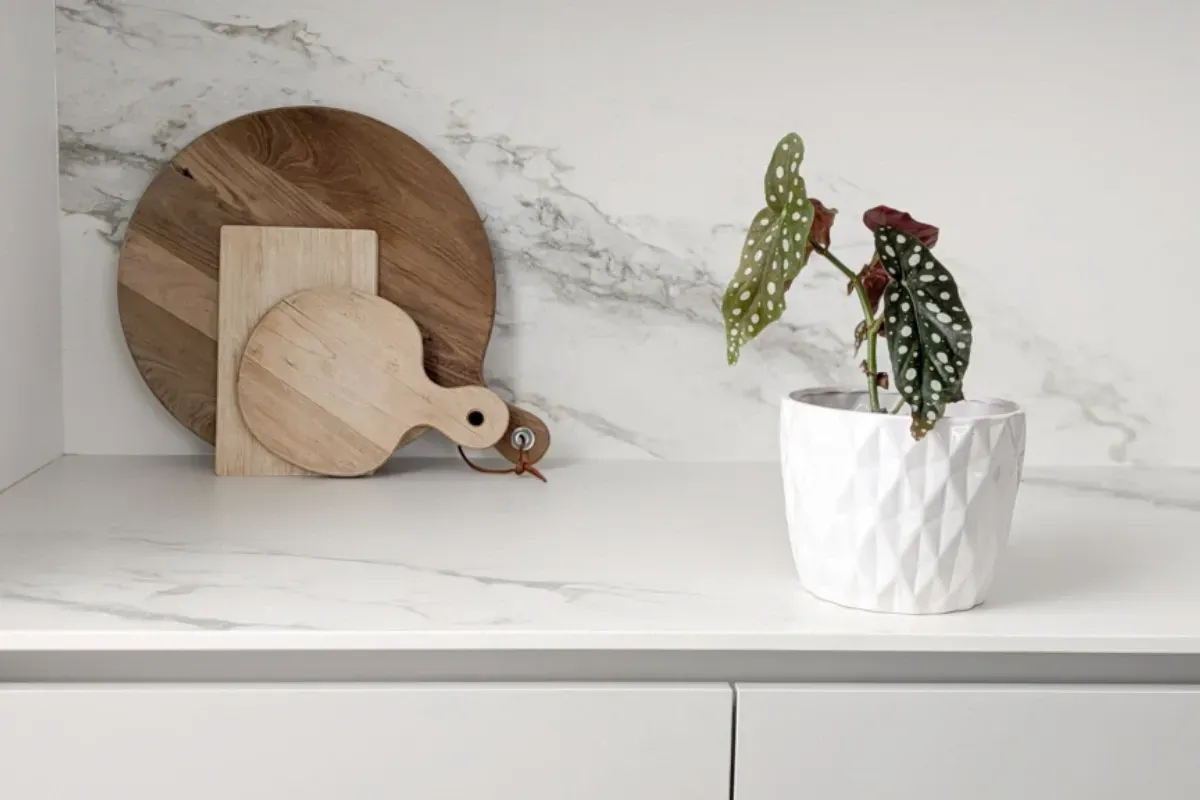
Do Ceramic Worktops fit my Kitchen? - London 2026
You're weighing up a kitchen refresh, and ceramic worktops keep cropping up in your research. Perhaps you've spotted them in a showroom, or a neighbour mentioned theirs can handle hot pans without flinching. But are they really the right choice for your London kitchen, or just another trend that sounds good on paper?
Quick take: Ceramic worktops (also called sintered stone or porcelain countertops) offer exceptional durability, heat resistance, and virtually zero maintenance. They're non-porous, won't stain, and come in stunning designs that mimic marble or granite. The trade-offs? Higher upfront costs than quartz or granite, a tendency to chip on edges if struck hard, and the need for expert installation. If you value long-term performance and a premium look without constant upkeep, ceramic worktops could be exactly what your kitchen needs.
Table of Contents
Key Benefits of Ceramic Worktops
Common Downsides (and How to Avoid Them)
How Much Do Ceramic Worktops Cost in London?
Ceramic Worktop Styles: Colours, Finishes, Thickness & Edge Profiles
Cleaning, Care & Long-Term Maintenance
What Are Ceramic Worktops?
Ceramic worktops are ultra-dense slabs made from natural minerals like clays, feldspar, and quartz. These materials are pressed under immense pressure and fired at temperatures exceeding 1,000°C until they fuse together. The result is a completely non-porous surface that resists stains, heat, and UV light without needing sealants. You can place hot pans on the surface, and spills wipe away easily.
Ceramic worktops today typically mean large-format porcelain slabs from brands like Dekton or Neolith, ranging from 6mm to 30mm thick. Whether you're fitting a kitchen in North London or South London, ceramic offers a sleek alternative to traditional stone.
Key Benefits of Ceramic Worktops
Ceramic worktops bring several standout advantages that make them worth considering for your London kitchen:
Ceramic worktops handle whatever your kitchen throws at them. You can chop directly on these slabs with little effect, and dragging heavy pots won't leave marks. Unlike quartz, which can scorch under hot cookware, ceramic surfaces handle extreme temperatures without warping or yellowing.
The hygienic surface is particularly valuable for busy London households. Spills from juice, coffee, or curry simply wipe away, and no sealing is ever required. Ceramic slabs come in a vast range of colours and patterns that convincingly mimic materials like Calacatta marble or concrete. Large-format slabs (often up to 3m long) allow virtually invisible joins. Whether you're installing a Howdens kitchen or a Wren design, ceramic worktops adapt to the style.
Common Downsides (and How to Avoid Them)
While ceramic worktops perform superbly, they're not without drawbacks.
The most significant downside is cost. Ceramic slabs typically cost more than granite or quartz. Material prices for brands like Dekton or Neolith generally start around £500 to £650 per square metre. With London's high labour rates (typically £350 to £700+ per kitchen), a modest 5-square-metre kitchen might run £1,500 to £2,500 for basic ceramic, while higher-end options could push past £3,500. To manage costs, compare several brands and limit extras like waterfall edges or integrated sinks.
Another consideration is chipping. Ceramic surfaces are incredibly hard but brittle. Sharp impacts, especially on edges, can cause chips or cracks. Handle heavy cookware with care and don't drag cast-iron pans across edges. Choosing a bullnose edge profile instead of sharp square edges reduces the likelihood of visible chips. Small chips can be filled with coloured resin, while larger damage needs professional repair.
Installation requires specialized tools and expert fabricators. This is emphatically not a DIY project. Always use experienced installers who work regularly with porcelain. Large ceramic slabs (20-30mm thick) are very heavy, so make sure your kitchen base units are properly reinforced.
Finally, while the variety of ceramic styles is vast, some bespoke designs must be special-ordered from European suppliers, which can add weeks to your timeline. Finalize your choice early and place your order in advance. Your kitchen fitting specialist can help coordinate this.

How Much Do Ceramic Worktops Cost in London?
Ceramic worktops sit at the premium end of the market, but you're investing in a surface that requires virtually no maintenance and lasts for decades.
Material costs for ceramic slabs typically start around £500 to £650 per square metre for 20-30mm thicknesses. Premium colours or thicker slabs can push prices higher, occasionally exceeding £700 per square metre. Labour and installation generally cost between £350 and £700+ per kitchen, excluding VAT. London's rates tend toward the upper end due to higher living costs.
A modest 5-square-metre kitchen fitted with basic ceramic might total £1,500 to £2,500 installed. Higher-end ceramics with premium finishes or intricate edging could easily reach £3,500 or more. Larger kitchens with islands can climb well beyond £5,000.
For context, quartz or granite installations often cost under £2,000, making ceramic a clear step up. However, ceramic's lack of ongoing maintenance and its resistance to damage mean lower lifetime costs.
Always request detailed quotes that include templating, fabrication, fitting, and extras. Beware of hidden costs like delivery fees or VAT. Whether you're fitting an IKEA kitchen in East London or a B&Q setup in West London, professional guidance makes the investment clearer.
Ceramic Worktop Styles: Colours, Finishes, Thickness & Edge Profiles
One of ceramic worktops' greatest strengths is their sheer variety. Advanced manufacturing techniques, including digital printing and sintering, allow manufacturers to create slabs that mimic almost any material, from classic marble to industrial concrete.
Colours and patterns span an astonishing range. Digital printing technology allows manufacturers to replicate Calacatta marble, travertine, industrial steel, or wood grain, all without the maintenance drawbacks. Choose ultra-pure whites for a bright kitchen, deep blacks for dramatic contrast, or soft greys for understated elegance.
Surface finishes dramatically affect the look. Polished finishes deliver high-gloss shine for modern kitchens. Honed or matte finishes offer a softer appearance. Textured surfaces provide a natural quality for rustic spaces.
Ultrathin slabs (6-12mm) work for wall cladding or minimalist countertops. Standard thicknesses (20-30mm) provide durability and substance. Edge profiles range from simple square edges (economical, contemporary) to bullnose edges (reduce chipping) to waterfall edges (dramatic statements requiring extra skill). Large-format slabs (up to 3 metres) allow minimal joins across islands, creating continuous, striking surfaces.
Cleaning, Care & Long-Term Maintenance
One of ceramic worktops' greatest advantages is how little fuss they require. Daily care is straightforward, and long-term maintenance is virtually non-existent.
Routine cleaning is simple. Wipe the surface with a soft cloth, warm water, and mild dish soap. That's all you need. Because the surface is completely non-porous, spills sit on top and wipe away easily.
Avoid abrasive scouring pads or harsh chemicals like bleach or ammonia. While ceramic is incredibly hard, abrasive scrubbing can dull polished finishes over time. Stick to pH-neutral cleaners or diluted vinegar for stuck-on residue.
Unlike natural stones, ceramic worktops never need sealing. The material is inherently non-absorbent, so there's no annual resealing, no special polishing, and no worry about sealants wearing off.
For scratch prevention, use cutting boards. Ceramic is highly scratch-resistant, but using boards is sensible practice. Use trivets under very hot cookware. While ceramic handles heat far better than quartz, repeated direct contact with extremely hot pans can eventually cause thermal stress.
If a chip or crack occurs, address it promptly. Small chips can be filled with special resin kits. Larger cracks need professional repair. Prevention is best: handle slabs carefully, avoid hard impacts, and consider rounded edge profiles.
Final Thoughts on Ceramic Worktops
Ceramic worktops combine the elegance of high-end stone with unmatched practicality. They deliver endless design options, commercial-grade durability, and nearly zero upkeep, making them a smart long-term choice for households that value both style and performance.
The trade-offs are mostly upfront cost and the necessity of professional fabrication. However, for a busy household, a ceramic worktop can be a genuine investment. Because it lasts for decades, the investment pays off by keeping your kitchen looking fresh without constant replacements.
Ceramic worktops handle the daily chaos of cooking and family life without flinching, all while looking like they belong in a design magazine. Whether you're renovating a Victorian terrace or building a brand-new space, ceramic offers a balance of beauty and functionality that's hard to beat.
Ready to explore how ceramic worktops could fit your kitchen? Get in touch with our team at London Kitchen Fitting. We'll walk you through material options, discuss your budget, and help you design a kitchen that truly belongs to you. From initial consultation to final installation, we're with you all the way.

Ceramic Worktops FAQs
What exactly are ceramic (sintered) worktops made of?
They're made from natural minerals like clay, feldspar, and silica compressed under immense pressure and fired at over 1,000°C. This fuses the minerals into a solid slab without resin or plastic, creating a completely non-porous, incredibly durable surface.
Are ceramic worktops hygienic and easy to clean?
Yes. They're completely non-porous, so liquids and bacteria can't penetrate. Simply wipe with a damp cloth and mild detergent. No harsh cleaners needed, and spills won't leave permanent stains.
Can you place hot pans directly on ceramic worktops?
Yes. Ceramic worktops are fully heat-resistant and won't burn or discolour under hot cookware, unlike quartz. Using trivets is still wise to avoid thermal shock at joints over time.
Do ceramic worktops scratch easily?
No, they're among the hardest kitchen surfaces. Ordinary use won't scratch them, though it's still wise to use cutting boards and avoid dragging very rough objects across the surface.
If a ceramic worktop chips, can it be repaired?
Minor chips can be filled with epoxy kits designed for porcelain. Larger cracks need professional repair. Prevention is key: handle slabs carefully and avoid hard impacts on edges.
Do ceramic worktops need special maintenance products?
No. Common pH-neutral cleaners or mild dish soap work perfectly. Avoid bleach or abrasive powders. Ceramic requires no sealing, polishing, or special treatments, ever.
How do ceramic worktops compare to quartz or granite?
Ceramic offers superior heat, scratch, and stain resistance compared to both. Unlike granite, ceramic never needs sealing. Unlike quartz, ceramic won't scorch under hot pans. The main trade-off is higher upfront cost and potential edge chipping, but for long-term performance and low maintenance, ceramic often wins.
Are ceramic worktops worth the investment for a London kitchen?
If you value long-term durability, minimal maintenance, and a premium look, yes. They last decades without resealing or refinishing and handle daily cooking demands. While upfront cost is higher than quartz or granite, the lack of ongoing maintenance makes them cost-effective long-term. For guidance on whether ceramic fits your kitchen, reach out to our team.
