Can a Kitchen be Fitted for Meal Preparation? - London
Most London kitchens weren't built with meal prep in mind. Whether you're in a Victorian terrace in Hackney, a flat in Clapham, or a semi in Wembley, the chances are your kitchen is doing its best with a layout that was never designed for batch cooking on a Sunday afternoon. But here's the thing: it doesn't have to stay that way. A well-planned kitchen can genuinely change how you eat, how you spend your evenings, and how much you rely on the nearest Deliveroo.
Quick take: A meal prep kitchen is one that's been designed around how you actually cook. That means a smart layout, clever storage, enough counter space to work without going mad, and the right appliances close at hand. In this guide, we cover the key features that make a kitchen meal-prep friendly, from layout principles and storage solutions to how you organise your fridge for the week ahead.
Table of Content
Why Meal-prep Friendly Kitchens Matter
Key Layout Features of a Meal-prep Friendly Kitchen
Storage Solutions That Make Meal Prep Easier
Must-Have Appliances for Efficient Meal Prep
Counter Space and Work Zones for Faster Cooking
How to Organize Ingredients for Weekly Prep
Why Meal-prep Friendly Kitchens Matter
Research consistently shows that people who cook at home regularly eat fewer calories and more nutritious food than those who rely on takeaways or convenience meals. The problem is that a cramped, cluttered, or poorly designed kitchen quietly discourages you from cooking at all. When the kitchen feels like a hassle to be in, it's far easier to grab something on the way home.
Studies show that the physical environment of your kitchen shapes your eating choices more than most people realise. A kitchen that's welcoming, functional, and easy to navigate removes the mental resistance to cooking. Add meal prep into the equation and the benefits compound: instead of deciding what to eat every single night, you've already done the thinking. Your meals are ready. Your week is sorted.
For busy Londoners especially, that kind of efficiency is worth its weight in gold. A meal prep kitchen doesn't have to be enormous. It just has to be thoughtful. If you're considering a new kitchen fitting, building meal-prep functionality into the design from the outset is one of the smartest decisions you can make.
Key Layout Features of a Meal-prep Friendly Kitchen
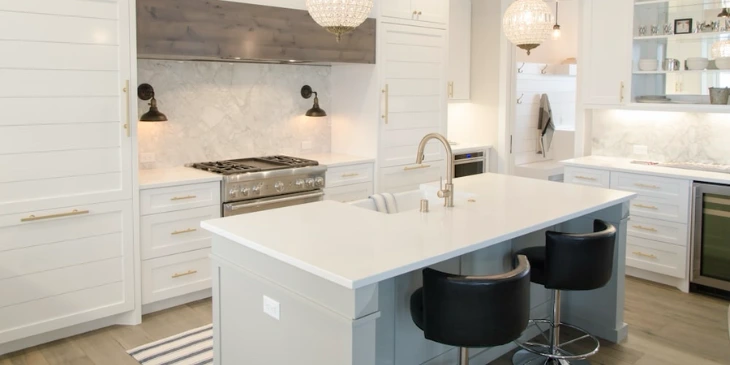
The foundation of any efficient kitchen is its layout. For decades, kitchen designers have worked around the concept of the work triangle: the relationship between your fridge, hob, and sink. Good layouts reduce unnecessary movement and keep your workflow smooth. Experts generally recommend the total perimeter of the triangle stays under about eight metres for optimal efficiency.
Modern kitchen design builds on this with a zones-based approach. Rather than thinking only about appliances, good layout design maps the kitchen into distinct activity areas: food storage, prep, cooking, and cleaning. Each zone contains what you need for that specific task, so you're not crossing the kitchen every two minutes to grab something.
In a meal prep kitchen, this matters more than ever. You want your knives and chopping boards in the prep zone, your pots and pans close to the hob, and your cleaning supplies and bins near the sink. When proximity is built into the design, cooking becomes intuitive. You stop searching and start cooking.
If you're working with a supplier like Howdens or Wren, it's worth discussing zoned layouts with your fitter before anything is ordered. Getting the layout right at the planning stage costs nothing extra and pays dividends every time you cook.
Storage Solutions That Make Meal Prep Easier
Storage is where a lot of London kitchens fall short. Cabinet space is used inefficiently, things get buried at the back of cupboards, and the healthy ingredients you bought on Monday are invisible by Wednesday. Out of sight really does mean out of mind.
A meal prep kitchen flips this. The goal is to make the things you want to cook with easy to see and easy to reach. Open shelving or clear glass jars for staples like grains, lentils, and pulses keeps them front of mind. Transparent fridge containers at eye level mean pre-cut vegetables are the first thing you see when you open the door, not the last.
Beyond visibility, the right storage fittings make a real difference to how efficiently you can work. Pull-out pantry shelves, deep drawers with dividers, and built-in knife blocks all contribute to a kitchen where everything has a place. Vertical storage using wall-mounted racks, magnetic knife strips, and overhead hooks frees up your worktops for actual cooking.
One underrated upgrade is replacing old fixed shelves with pull-out units or corner carousels. You can suddenly access space you'd written off as dead. For anyone prepping in bulk, that extra capacity means you can stock up on ingredients without the kitchen descending into chaos. IKEA and B&Q both offer smart internal storage options that a good kitchen fitter can make the most of, whatever footprint you're working with.
Must-Have Appliances for Efficient Meal Prep
The right appliances don't just save time; they change what you're willing to cook. A good food processor turns twenty minutes of chopping into two. A multi-cooker lets you batch-cook a week's worth of grains or stew while you get on with something else. These aren't luxuries for people serious about meal prep. They're tools.
Here are the appliances most worth considering:
Food processor. A genuine workhorse. It shreds, slices, dices, and purees in bulk. If you regularly chop large quantities of vegetables, a food processor will save you more time than almost anything else in the kitchen.
Multi-cooker (e.g. Instant Pot). Combines pressure cooker, slow cooker, and rice cooker in one unit. Brilliant for batch-cooking rice, beans, soups, and stews with minimal effort. Set it going and walk away.
Air fryer. Roasts and crisps food quickly with little to no oil. Useful for prepping healthy snacks, roasted vegetables, and proteins without heating up the whole oven.
Blender. Essential if smoothies or soups feature in your weekly prep. A decent blender makes it easy to pack fruit and vegetables into your diet without much effort.
Immersion blender. Purees soups and sauces directly in the pot. No transferring hot liquid, no extra washing up.
If you're having a new kitchen fitted, it's worth planning appliance storage into the design. A dedicated appliance cupboard or a section of counter with accessible sockets keeps things tidy without making your meal prep kitchen feel like a gadget showroom.
Counter Space and Work Zones for Faster Cooking
Counter space is the thing most people say they wish they had more of, and in meal prep it's non-negotiable. When you're prepping multiple meals at once, you need room to spread out. A single narrow worktop beside the hob won't cut it.
If your kitchen allows for an island, it's one of the best investments you can make for meal prep. It gives you a central prep station where you can chop, assemble, and package up meals, with sockets for appliances and storage underneath.
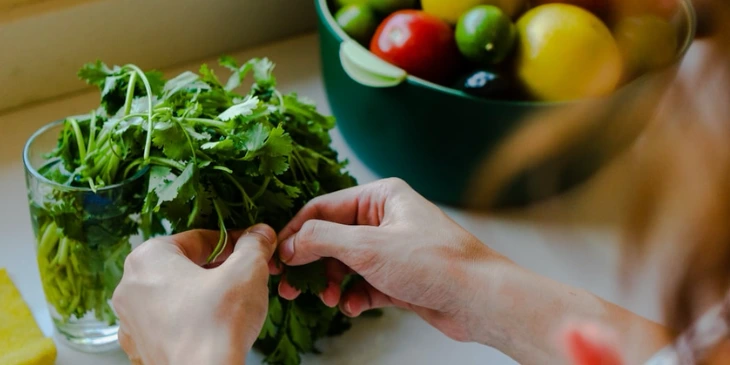
Beyond the total amount of counter space, it's how you divide it that counts. A well-zoned meal prep kitchen typically has three distinct counter areas. The prep zone sits close to the fridge and sink: this is where you wash, chop, and measure, with your knives, boards, and food processor close to hand. The cooking zone centres on the hob and oven, with pots, pans, oils, and spices within arm's reach and counter space on both sides to rest hot pans. The clean-up zone is anchored by the sink, with the dishwasher nearby and a pull-out bin on the other side, keeping dirty dishes well away from where you're prepping food.
Whether you're fitting a kitchen in North London, South London, East London, or West London, this zoned approach can be adapted to almost any footprint.
How to Organize Ingredients for Weekly Prep
Getting your fridge and pantry properly organised is the part of meal prepping that people underestimate. You can batch-cook everything on Sunday, but if you can't find it on Tuesday evening, you're back to square one.
Treat your fridge like a mini market. Group similar items together and keep them in the same spot every week. Use clear bins to corral ingredients for specific meals so that on cooking day you pull out one container and everything you need is already together.
Keep a dedicated shelf for prepped items. Reserve one shelf at eye level for ready-to-eat meals or pre-portioned ingredients. When you open the fridge, your prepped food is the first thing you see. You're far more likely to reach for it.
Label everything. Use masking tape or dry-erase labels with the contents and date. This prevents the mystery leftovers situation and ensures you're eating things while they're still fresh.
Use the freezer properly. Divide freezer space into sections using bins or baskets: one for proteins, one for vegetables, one for batch-cooked meals. Label everything the same way. A chaotic freezer is where good batch cooking goes to be forgotten.
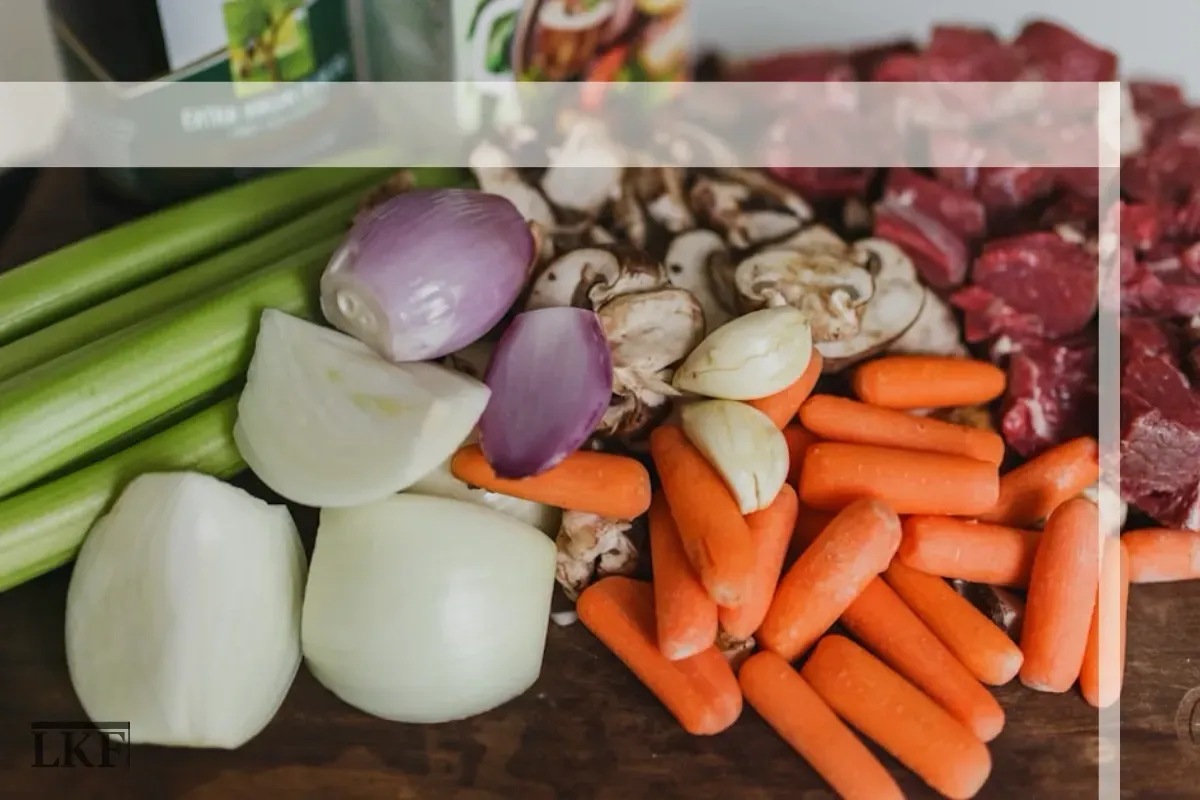
Prep in bulk, strategically. If three of your meals this week need chopped onion, chop all of it at once. If two recipes use roasted vegetables, roast a big tray and divide it between them. This kind of integrated thinking saves time and keeps your fridge organised.
Rotate regularly. Older items go to the front. New groceries go to the back. A five-minute tidy before each weekly shop keeps the system running smoothly.
Final Thoughts on Meal-prep Friendly Kitchens
A meal prep kitchen isn't a separate category of kitchen. It's what any well-designed kitchen should be: a space that makes cooking easier, more intuitive, and less time-consuming. The features that help with meal prep are the same features that make a kitchen better to live in every day: smart layout, clever storage, generous counter space, and good appliances.
The good news for London homeowners is that you don't need a huge kitchen to achieve this. You need a thoughtful one. Whether that means a full kitchen fitting or a series of incremental upgrades, getting the design right at the start is always more effective than retrofitting later.
If you'd like to talk through what a meal-prep friendly kitchen could look like in your home, take a look at our story or get in touch. We've been fitting kitchens across London since 2005, and we're happy to have an honest conversation about what's possible in your space.
Meal-prep Friendly Kitchens FAQs
What is a meal-prep friendly kitchen?
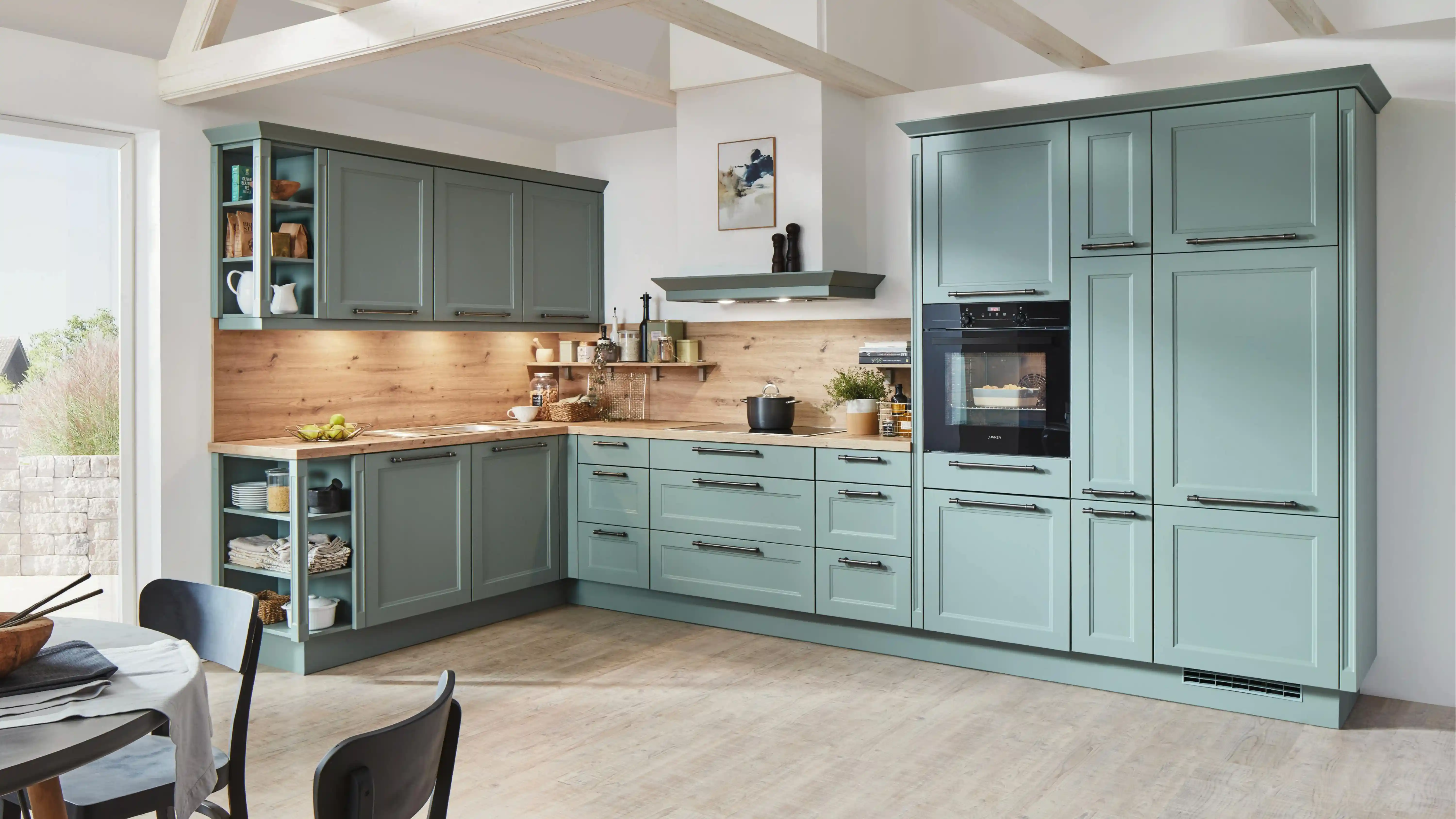
It's a kitchen designed to make batch cooking as smooth as possible. The core elements are an efficient layout using the work triangle between fridge, hob, and sink, plenty of clear counter space, and storage that keeps your tools and ingredients easy to reach. In a well-designed meal prep kitchen, the space is divided into zones for prep, cooking, and cleaning, so you're not moving back and forth constantly.
How can I make my existing kitchen more meal-prep friendly without a full renovation?
Start by clearing your worktops. Put away anything you don't use regularly and protect your counter space for cooking. Then look at your storage: drawer organisers, shelf risers, and pull-out racks can make a real difference without any structural changes. Mounting a wall rack or magnetic knife strip frees up counter space and keeps prep essentials close. Better under-cabinet lighting is also worth considering if you do a lot of evening prep.
Can I meal prep effectively in a small kitchen?
Yes, and plenty of Londoners do exactly that. Small kitchens reward organisation more than any other. Nesting bowls, stackable containers, and wall-mounted storage all help you work with limited space. Prepping in stages rather than all at once also helps: cook one or two things, clear down, then start the next. Modern cabinet inserts like pull-out towers or corner carousels can increase your usable storage without changing the footprint at all.
What appliances are most useful for meal prepping?
A food processor is the one most meal preppers say they couldn't live without. It handles bulk chopping, slicing, and pureeing in a fraction of the time it would take by hand. A multi-cooker is excellent for batch-cooking grains, pulses, and stews with minimal effort. An air fryer speeds up roasting with little oil. Beyond these, a sharp chef's knife and a set of quality, microwave-safe meal prep containers will serve you better than most gadgets.
How should I organise my fridge and pantry for weekly meal prep?
Think of your fridge like a mini supermarket with consistent zones for different food types. Keep a dedicated shelf at eye level for your prepped meals so they're the first thing you see. Use clear bins to group ingredients for specific meals together. Label containers with contents and dates. In the pantry, store staples like grains and pulses in clear jars at eye level, and use baskets or bins to separate categories. Before each weekly shop, do a quick scan: move older items to the front and note what needs using up.
